


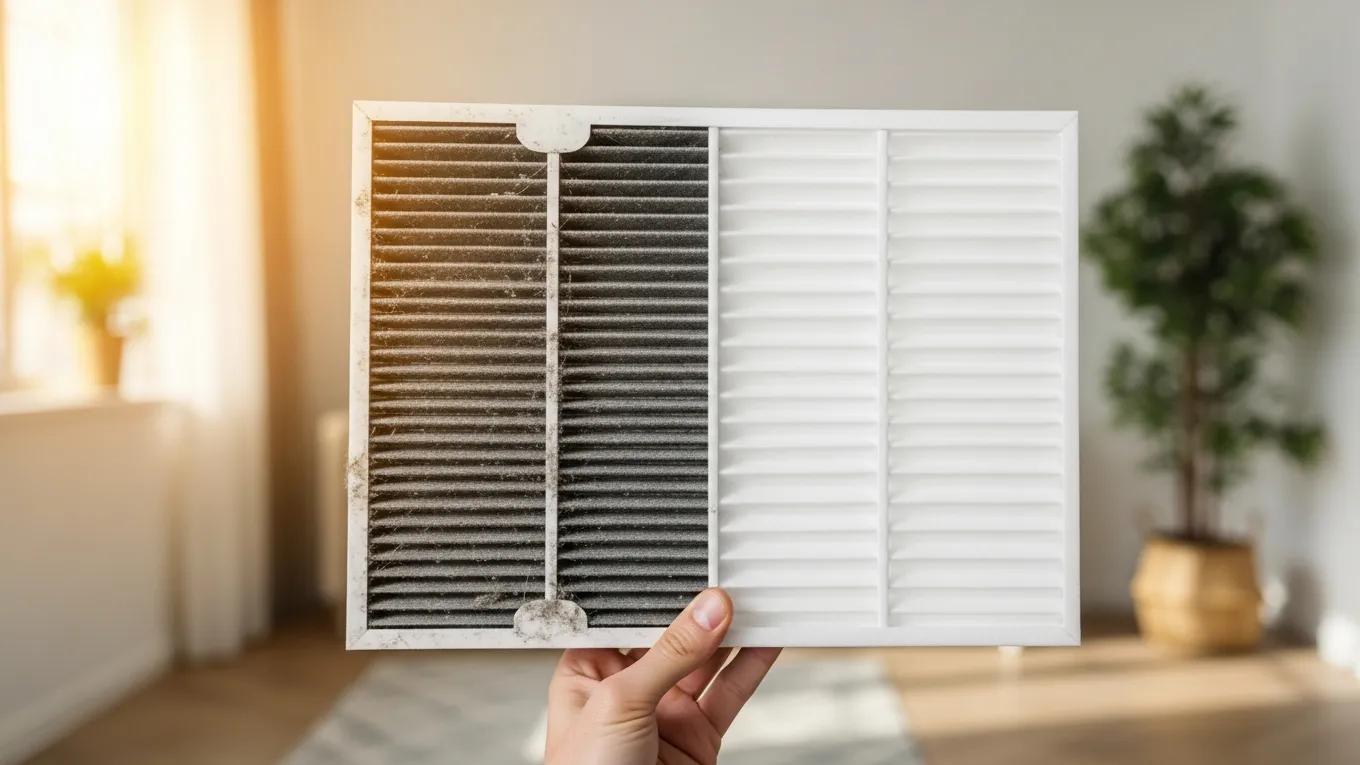
Air Filter Replacement Guide: When & How to Choose and Change HVAC Filters for Energy Efficiency and Air Quality
At Precise Air Systems, Inc., we understand that regularly replacing HVAC air filters is one of the simplest and most effective ways to maintain clean indoor air and ensure your system operates efficiently. Filters trap dust, allergens, and pollutants, helping the air you breathe stay healthier. In this guide, we explain how often you should change filters, what MERV ratings mean, and provide practical steps to help you choose and replace filters. Missing timely changes can increase your energy costs and reduce air quality. We also share the signs that indicate a filter needs replacing, the replacement process, and when it’s best to call a professional to protect your indoor environment.
We recommend practical upkeep habits such as simple record-keeping and proper storage to make filter replacement easier. Keep a permanent marker or a dedicated sticker to write the installation date on the filter frame when you install a new one. Store spare filters in a dry, cool place away from direct sunlight and moisture to keep them effective until needed. Purchasing a multi-pack of the correct size for your system can reduce the chance of running out between scheduled changes and often lowers the cost per filter.
How Often Should You Change Your Air Filter?
To keep your HVAC system efficient and your indoor air healthy, we advise changing filters every 1 to 3 months in most cases. The exact interval depends on the filter type, how often your system runs, and local conditions. Regular filter changes limit dust and allergens circulating in your home and lower the risk of respiratory issues.
Adjust your schedule based on specific household factors. For example, homes with multiple pets, young children, smokers, or residents with allergies may require monthly changes to maintain acceptable air quality and prevent rapid clogging. Conversely, a small home with minimal occupancy and low particulate loads might extend some filter types toward the longer end of the range. Seasonal changes also matter: filters often load faster during heating and cooling seasons when systems run more regularly.
Here are some practical scheduling tips we recommend:
- Set calendar reminders or use a home maintenance app to track filter changes. This helps you stay on top of replacements without guesswork.
- Keep spare filters on hand for busy seasons or unexpected increases in dust. Having extras ready ensures you won’t delay replacements when needed.
- When in doubt, visually inspect the filter—if it looks gray or blocked, replace it rather than waiting for the next scheduled date. This simple check can prevent system strain and poor air quality.
What Are the Signs You Need Air Filter Replacement?
Several signs indicate that it may be time to replace your air filter:
- Increased Energy Bills: A dirty filter forces your HVAC system to work harder, leading to higher energy consumption and costs. Monitoring your bills can alert you to potential filter issues early.
- Poor Air Quality Symptoms: If you notice increased dust accumulation or experience allergy symptoms, it may be due to a clogged filter. Replacing the filter can improve your indoor air quality significantly.
- Reduced Airflow: If you feel less airflow from your vents, it could be a sign that your filter is obstructed and needs replacement. This can affect your system’s performance and comfort levels.
Spotting these signs early helps you keep indoor air healthier and your HVAC system more efficient.
Other common indicators include unusual odors when the system runs, more frequent cycling, and visible dust buildup on furniture and fabrics. In some cases, you may notice uneven heating or cooling between rooms—restricted airflow can make it harder to maintain consistent temperatures. A quick visual check is often the fastest way to tell: remove the filter and hold it up to a light source—if light does not pass easily through the filter media, it is time to replace it.
If you suspect a clogged filter but still experience symptoms after replacement, inspect duct registers and return vents for blockages and consult a professional from Precise Air Systems, Inc. to evaluate the system and indoor air pathways.
How Does Filter Lifespan Vary by HVAC Filter Type and Usage?
Filter life varies by type and use. Fiberglass filters usually last about 30 days, pleated filters up to 90 days, and high-efficiency filters like HEPA can last longer depending on conditions. Homes with pets or heavy dust will need more frequent changes to maintain good air quality.
Reusable or washable filters are an alternative in some systems; they require regular cleaning rather than outright replacement. Follow the manufacturer’s care instructions if you use a reusable model—improper cleaning can reduce capture efficiency or damage the filter media. When a reusable filter shows signs of wear, structural damage, or permanent discoloration, replace it permanently rather than attempting further repairs.
Also consider that the installation environment affects lifespan: dusty garages, homes near construction, or properties in wildfire-prone regions may experience accelerated filter loading. In such settings, maintain a tighter replacement cadence and inspect filters more frequently to avoid strain on the HVAC unit.
What Are MERV Ratings and How Do They Affect Filter Performance?
MERV (Minimum Efficiency Reporting Value) ratings measure a filter’s ability to capture particles. Ratings run from 1 to 16; higher numbers catch smaller particles and improve indoor air quality.
MERV values are a useful shorthand when comparing filters, but they do not tell the whole story. Two filters with the same MERV rating may have different pressure characteristics, construction methods, and dust-holding capacity. Always check the filter specifications and, when available, consult your HVAC system documentation or a technician from Precise Air Systems, Inc. to confirm that a chosen MERV rating is suitable for your HVAC model.
How to Interpret MERV Air Filter Ratings for Your HVAC System?
Choose a MERV rating that matches your needs and your system’s capacity. Ratings 1–4 handle basic filtration. Ratings 5–8 are suitable for most homes and capture dust and pollen well. If you have allergies or asthma, consider MERV 9–12 for finer particle capture.
When interpreting ratings, consider these practical points:
- Higher MERV ratings typically mean finer filtration but can increase airflow resistance. That added resistance may reduce system efficiency if your air handler or blower is not designed for it. We recommend consulting with our technicians to ensure compatibility.
- Check the HVAC owner’s manual or the filter slot for maximum recommended MERV ratings. If you cannot find guidance, contact Precise Air Systems, Inc. for expert advice.
- If installing a higher-MERV filter, monitor system performance after installation. Watch for reduced airflow, unusual noises, or changes in cycling—the technician can help if adjustments are needed to maintain optimal operation.
Which MERV Rating Is Best for Energy Efficient Air Filters?
For a balance of filtration and energy efficiency, MERV 8–11 is often optimal. These filters clean air effectively while keeping airflow resistance low. Very high MERV filters can restrict airflow and increase system strain and energy use.
In spaces with specific needs—such as households with severe allergies, frequent illness, or sensitive occupants—it may be appropriate to lean toward higher MERV ratings while ensuring system compatibility. In commercial settings, building managers should coordinate with HVAC professionals like Precise Air Systems, Inc. to select filters that meet both health and performance goals without compromising equipment longevity.
How to Choose the Best HVAC Air Filters for Your Home or Business?
Choosing the right filter means weighing filter type, MERV rating, and your indoor air needs. Match filtration performance to your priorities—cost, particle removal, and system compatibility.
Other selection factors include filter dimensions, frame quality, and dust-holding capacity. A well-seated filter with a sturdy frame reduces bypass (air flowing around the filter) and increases overall effectiveness. Note the printed dimensions on your existing filter or the filter slot; replace filters with the exact size to avoid gaps or forcing an ill-fitting model into place.
What Are the Different Types of HVAC Filters Available?
There are several types of HVAC filters, including:
- Fiberglass Filters: Affordable and disposable, these filters are suitable for basic filtration but may not capture smaller particles effectively. They are a good option for budget-conscious clients who need basic protection.
- Pleated Filters: These filters offer better filtration than fiberglass and can last longer, making them a popular choice for residential use. Their pleated design increases surface area, improving dust-holding capacity and efficiency.
- HEPA Filters: High-efficiency particulate air filters are designed to capture 99.97% of particles that are 0.3 microns or larger, making them ideal for allergy sufferers and those seeking superior air quality. We recommend these for clients with specific health concerns.
Knowing how each type performs helps you pick the right option for your space and health needs.
When selecting a filter, consider whether your HVAC system requires proprietary frames or a specific depth (for example, 1″, 2″, or 4″ replacement filters). Deeper filters generally hold more dust and can last longer between changes, but they must match the unit’s filter rack dimensions and airflow design.
How to Select Energy Efficient Air Filters That Improve Indoor Air Quality?
Pick filters with higher MERV ratings that still allow good airflow. Look for designs that trap allergens and pollutants while keeping resistance low. If sustainability matters, choose filters made from recyclable or eco-friendly materials.
Other useful selection strategies include:
- Favor filters with a balance of low resistance and good dust-holding capacity rather than choosing the highest MERV rating available without checking compatibility. This approach helps maintain system efficiency and filter longevity.
- Consider pleated media with a larger surface area or deeper filters for longer service life and lower pressure drop over time. These features can reduce the frequency of replacements and energy consumption.
- Recycle or dispose of used filters responsibly where local programs allow; some filter materials and cardboard frames are recyclable if separated and processed correctly. We encourage our clients to follow environmentally responsible disposal practices.
What Is the Step-by-Step Process to Replace Your Air Filter?

Replacing a filter is simple and fast. Regular maintenance keeps your HVAC system running smoothly and efficiently.
Preparing a short checklist makes replacements quicker and cleaner: gather the new filter, a garbage bag, gloves if you prefer, and a cloth to wipe the filter compartment. If your system sits in a tight space, use a flashlight to confirm orientation and fit before inserting the new filter.
How to Safely Remove and Dispose of a Dirty Air Filter?
- Turn Off the HVAC System: Always ensure the system is off before attempting to replace the filter. This prevents dust from circulating and protects your safety.
- Locate the Filter: Find the filter compartment, usually near the air handler or return air duct. Knowing the exact location helps speed up the process.
- Remove the Old Filter: Carefully slide out the old filter, taking care not to let dust and debris fall into the system. Turning the filter so the dirty side faces up can help trap loose particles.
- Dispose of the Filter: Place the old filter in a plastic bag to contain any dust and dispose of it properly. If the filter is especially dirty or contains visible mold, seal it in a bag and consider wearing a dust mask while handling it.
After removal, wipe the interior of the filter compartment with a damp cloth or a vacuum with a soft brush attachment to remove accumulated dust around the frame. These steps help protect your HVAC components and maintain air quality.
How to Install a New Air Filter Correctly?
- Check the Direction: Ensure the new filter is installed in the correct direction, as indicated by arrows on the filter frame. Proper orientation is crucial for effective filtration and airflow.
- Insert the Filter: Slide the new filter into the compartment, ensuring a snug fit. A well-seated filter prevents air bypass and maximizes efficiency.
- Turn the System Back On: Once the new filter is in place, turn your HVAC system back on and check for proper airflow. Confirm that the system runs smoothly without unusual noises or odors.
After installation, write the installation date on the filter frame or in your maintenance log so you know when the next change is due. If you notice any unusual smells or a sudden change in airflow after restarting, recheck the filter orientation and seating. Proper fit prevents bypass and maximizes filter life and effectiveness.
How Does Timely Air Filter Replacement Impact Energy Efficiency and Costs?
Changing filters on schedule helps maintain optimal airflow and can lower energy use. Clean filters let your HVAC run without extra strain, which reduces operating costs.
Timely replacement reduces wear and tear across multiple components. When airflow is maintained, the blower motor, heat exchanger, and coils operate closer to their intended design conditions. That generally means fewer emergency repairs, more consistent performance, and a steadier operating cost profile over the system’s lifetime.
Can Dirty Filters Cause High Energy Bills?
Yes. Clogged filters make your system work harder to move air, which raises energy consumption. Regular filter changes help cut those extra costs and keep the system efficient.
Monitoring filter condition is a low-cost way to manage ongoing operating expenses. While higher-efficiency filters can cost more per unit, they sometimes reduce cleaning and maintenance needs and can provide better indoor air quality—evaluate total lifecycle costs, not just initial price, when choosing a filter.
What Are the Environmental Benefits of Using Energy Efficient Air Filters?
Energy-efficient filters reduce power use and the associated greenhouse gas emissions. Many are made from recyclable materials, which further reduces environmental impact.
Choosing long-life or higher-dust-holding designs can also reduce the frequency of disposal and packaging waste. When available, look for products with clear recycling guidance and minimal disposable packaging to lower the environmental footprint of routine maintenance tasks.
When and Why Should You Schedule Professional HVAC Maintenance?
Regular professional maintenance preserves system life and efficiency. Our technicians at Precise Air Systems, Inc. spot issues early, preventing costly breakdowns and saving you time and money.
We recommend scheduling professional checks at least once a year, ideally before heavy-use seasons (late spring for cooling systems and early fall for heating). During a routine visit, our technician typically inspects electrical connections, checks refrigerant charge where applicable, examines belts and motors, and verifies overall system operation. These checks complement regular filter changes and help ensure the system is ready for seasonal demands.
What Services Does Precise Air Systems, Inc. Offer for Air Filter Replacement?
At Precise Air Systems, Inc., we offer full HVAC services, including filter replacement, system inspections, and routine maintenance. Our work helps your system run at peak efficiency and improves air quality.
When you engage our service, we provide a clear scope of work including filter replacement frequency options, visual and operational inspections, basic cleaning of accessible components, and recommendations for improvements or repairs. Transparent pricing and detailed service plans help you maintain your system reliably within your budget.
How to Book HVAC Maintenance and Financing Options in Los Angeles, CA?
Booking maintenance with Precise Air Systems, Inc. is simple—contact our team to schedule an appointment. We provide financing options tailored to fit different budgets, making it easier to keep your system in top condition year-round.
If financing is available, we encourage you to review the terms carefully and select a plan that aligns with your maintenance schedule. We also offer seasonal promotions and bundled service plans that can make recurring visits more affordable. Ask us about service agreements that include prioritized scheduling and routine visits to simplify your long-term upkeep.
Take Control of Your Indoor Air Quality Today
At Precise Air Systems, Inc., we are committed to helping you maintain cleaner air and a more energy-efficient HVAC system. Don’t wait for problems to arise—schedule your air filter replacement or professional maintenance with us now. Our expert team is ready to provide personalized recommendations and reliable service tailored to your home or business needs.
Contact Precise Air Systems, Inc. to get started on improving your indoor environment and reducing your energy costs. Let us help you breathe easier and enjoy greater comfort all year long.